B2B Google Ads keywords cost 21% more for the same click, agency data shows
A Grey Matter analysis of 14 B2B advertisers found identical non-brand Google Ads keywords cost about 21% more to click than a year ago, even after accounting for higher spend and ad quality.
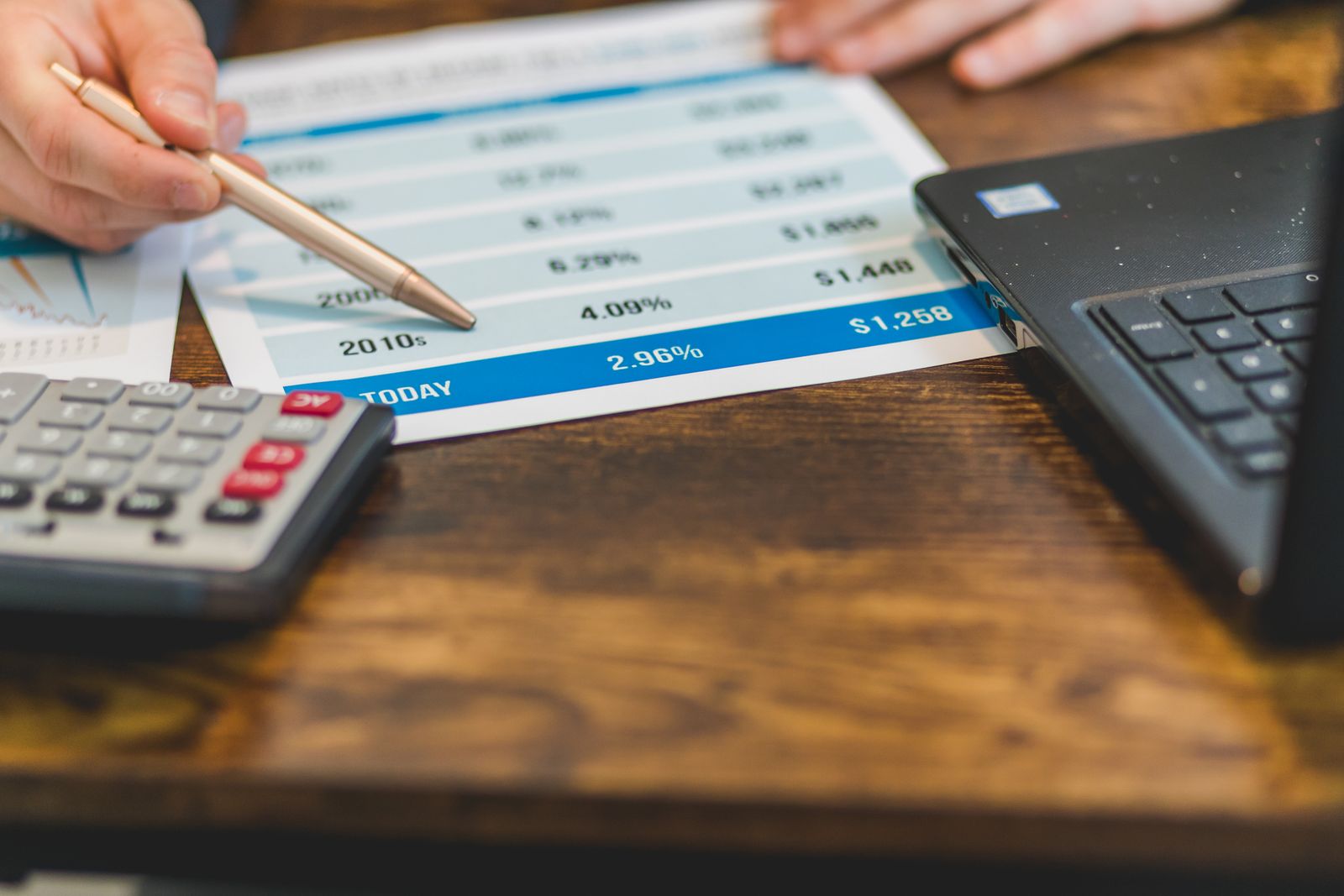
Google Ads keywords that cost a B2B marketer $1 last year now cost about $1.21 for the identical click, according to a new study from search agency Grey Matter, which tracked 1,349 non-brand keywords across 14 advertisers' accounts for six quarters before separating how much of the increase buyers caused themselves from how much the market pushed on everyone.
Grey Matter pulled Google Ads data from 14 of its B2B clients, tracking those keywords from April 2025 through September 2026 and comparing April-to-September figures year over year. It excluded Performance Max, Shopping and Display campaigns, broad-match keywords, and brand or competitor terms, then controlled for each advertiser's own spend, lost impression share, ad position and Quality Score before comparing identical keywords across the two periods.
The size of the increase depends on what you control for
Without any adjustment, the same keywords cost 29% more this year than last. Accounting for how much advertisers had raised their own spend narrowed that to 22%. Adding position and Quality Score brought the estimate to 21%, with a wide likely range of 1% to 44% given the small sample size. A second method, a price index built from 11 of the 14 advertisers, found average non-brand cost-per-click up 36% year over year. Ten of the 11 paid more for the same keywords, and nine paid more overall; individual changes ranged from a 30% drop to a 121% jump.
Spending more yourself makes it worse
Grey Matter found that every 10% increase in an advertiser's own campaign spend tracked with roughly 1.4% higher CPCs on the same keywords, or about 11% for a doubled budget. One account in the study raised non-brand spend 283% year over year and saw its same-keyword CPCs jump 132%; its brand keywords, held on a flat budget, rose only about 4% in the same quarter. The report ties the pattern to automated bidding strategies such as Maximize Conversions, which can chase pricier auctions once a budget grows. In the 11-advertiser index, the market itself accounted for 22 of the 36 points of CPC growth, budget changes added 3 points, and advertisers' own keyword, match-type and bid-strategy choices actually subtracted 3 points, leaving 14 points the report couldn't explain.
"The market pushed B2B search CPCs up by about 20% in a year." Grey Matter
Andy Hendricks, Grey Matter's head of search and the report's author, cautions against over-reading the headline figure: the true number, he told Search Engine Journal, "could be meaningfully higher or lower."
Why the numbers you already have don't answer this
Alphabet's Q3 2026 filing reported that CPC on Google Search and its other properties rose 4% year over year, a figure some marketers have pointed to as proof that costs are stable. But that number blends every search ad Google sells, across every industry, device and match type, while Grey Matter's estimate isolates identical keywords inside B2B accounts specifically. The two describe different things and shouldn't be read as confirming or contradicting each other. Neither figure, on its own, tells you what next year's budget needs to absorb.
The report's robustness checks hold up: dropping the single largest spender still produced a 17% rise, and folding broad-match keywords back in pushed the estimate to 31%. Every variant landed between 17% and 32%, a narrower band than the headline 21% alone suggests. Not every search marketer reads a rising CPC as bad news by itself. In an April column for Search Engine Journal, Jyll Saskin Gales argued that under Smart Bidding a higher CPC can signal a healthy, well-optimized account, and that cost per acquisition or return on ad spend is the number worth watching, not the keyword price. Grey Matter's data doesn't contradict that so much as sharpen the question behind it: an account can be bidding well and still be absorbing a market-wide increase it had no part in causing.
The squeeze compounds with an older problem
Grey Matter published this as a follow-up to its earlier "The Great Declick" study, which found B2B sites ranking on page one of Google getting far fewer organic clicks than a year before. Together, the two reports describe one budget pulled from both directions: the free channel sends fewer visitors, and the paid channel charges more for the ones it still delivers. Neither trend shows up in a single dashboard metric, which is why Grey Matter built a same-keyword, multi-quarter method instead of relying on Google's own reporting.
What a software marketer should do
Any SaaS or B2B company running non-brand Google Search campaigns should expect some market-wide CPC inflation in 2027, independent of anything it changes in its own account, and should stop treating a rising CPC alone as proof its bidding went wrong.
- Isolate a fixed list of non-brand keywords run continuously for at least a year
- Compare their CPC year over year before changing anything else about the account
- Track spend increases separately: a bigger automated-bidding budget can push you into pricier auctions on its own, as it did for the advertiser whose spend rose 283%
- Judge the account on cost per lead or CAC, not the sticker price on any one keyword
Before setting 2027 search budgets, run Grey Matter's method on your own account: pick keywords you've bid on continuously, pull their CPC for the same months a year apart, and see how much of any increase survives once you back out your own spend changes.
 Search
Google explains how Search traffic reaches your analytics, and leaves out AI Mode
Sienna Mcpherson · 4 min read Tools & Analytics
IAB publishes a framework for crediting AI with a sale, and the data to check it mostly doesn't exist
Sienna Mcpherson · 5 min read Search